EnerCmed Pilot – Genoa
Group Company
Benificiary
Start Date
End Date
Project Status
Instrument
Advisory
Sector
Urban regeneration
Energy transition
Segment
Public Administration
The EnerCmed Genoa pilot, promoted by the Municipality with technical support from the University of Genoa and Sinloc’s expertise in configuring Renewable Energy Communities (RECs), aims to create an innovative model of energy sustainability. The project involves establishing an REC with an initial capacity of 50 kWp, capable of providing shared energy to over 30 households. This model, designed to evolve in response to local needs, seeks to become a replicable example of social inclusion and energy transition for other urban communities.
Requirements
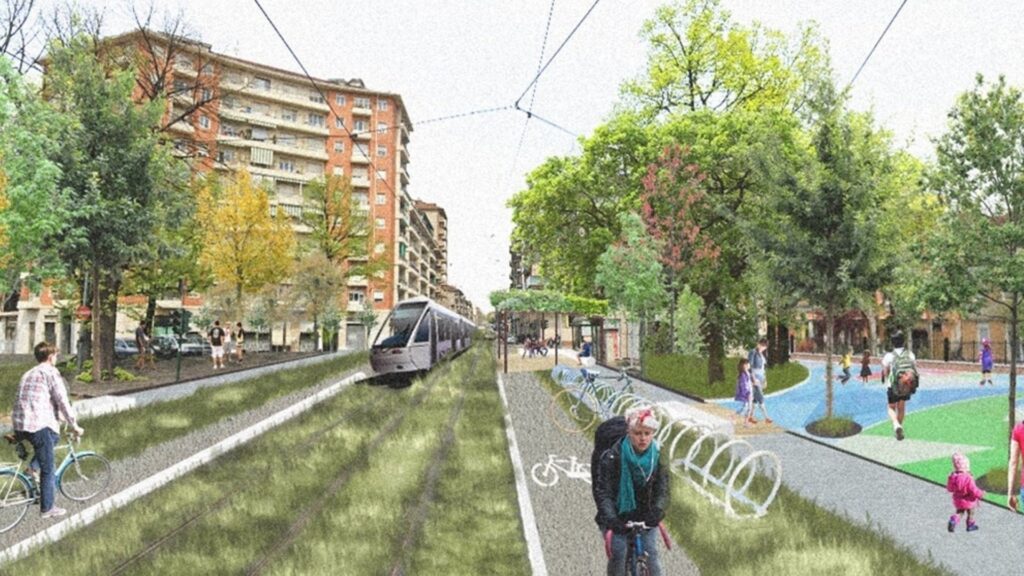
The Cornigliano area is characterized by high population density, outdated building stock, and significant levels of energy vulnerability. The school buildings involved are classified as energy class E and require energy efficiency upgrades. In this context, the introduction of self-production and self-consumption systems serves as a strategic lever to reduce operational costs and improve the environmental performance of the municipality's building assets.
Features
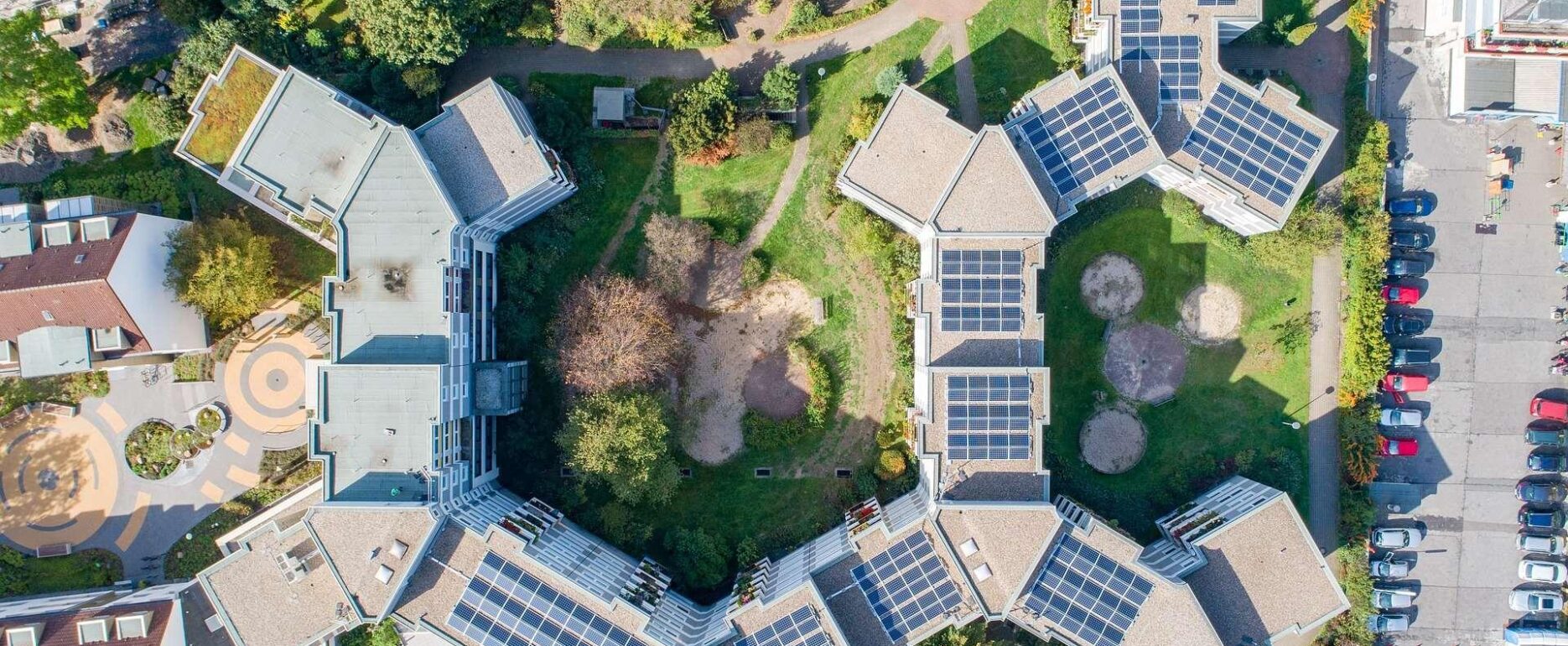
The project involves the installation of photovoltaic systems with a total capacity of 36 kWp on the roofs of the "Ferrero" primary school and the "Volta" secondary school. The configuration is designed to ensure ease of management, full regulatory compliance, and replicability to other public buildings. The energy produced will be self-consumed by the Municipality through the distance self-consumption mechanism. Furthermore, the initiative is part of the municipal SECAP framework, contributing to the achievement of local decarbonization objectives.
Results
The initiative will allow the Municipality to reduce annual electricity consumption by approximately 45,000 kWh, directly impacting public spending and CO₂ emissions. In addition to economic and environmental benefits, the operation will have indirect effects in terms of raising awareness and promoting energy sustainability practices within the school context. The adopted model, centralized and highly replicable, serves as a benchmark for future public self-consumption initiatives in urban areas with complex infrastructures.
Get in touch with the team
Interested in this project?
To discuss a similar project of yours or for any information and inquiries, feel free to contact us!
Contact Us