FOODWISE – Food Waste Innovation For Sustainable Eating
Group Company
Benificiary
Start Date
End Date
Project Status
Instrument
Advisory
Sector
Food and Health
Education and Innovation
Healthcare and Welfare
Segment
Public Administration
The FOODWISE project is funded by the European agency HADEA for an amount of €394,924.59 for coordination activities and technical-scientific assistance. The project aims at reducing food waste in school canteens and households in the municipalities of Sesto Fiorentino and Campi Bisenzio, through digital monitoring tools, co-creation of recipes, educational activities and mentoring. The service includes: management support to the partnership, methodological validation, dissemination at national and European level and the preparation of guidelines for long-term sustainability.
Requirements
The FOODWISE – Food Waste Innovation for Sustainable Eating project addresses the increase in food waste in Italy (up 45% in the last year) and in particular that in school canteens and households. The need arises from the complexity of the phenomenon: fruit and vegetables are the most wasted foods, despite their fundamental role in children's diets. The project targets schools and households with coordinated and participatory actions to reduce waste, improve the nutritional quality of meals and strengthen sustainable food education.
Features
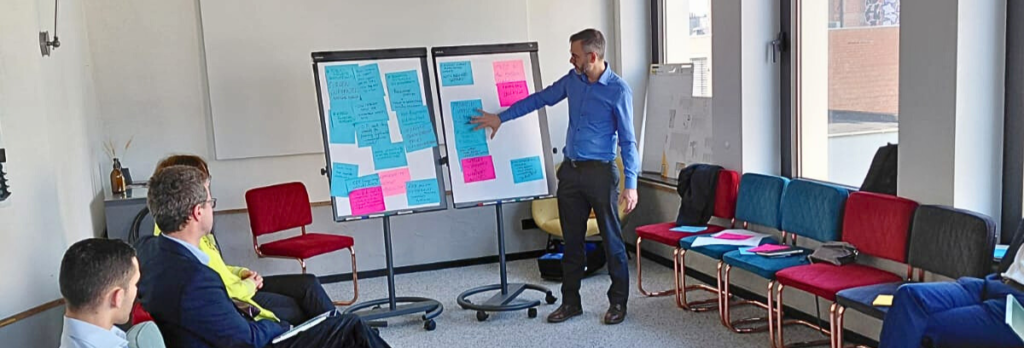
FOODWISE combines multidisciplinary expertise: nutrition, food education, project management, behavioural analysis, innovation and digital. In addition, it provides operational and technical support at all stages: diagnosis of waste at school and at home, development of a home tracking app, co-creation of menus with children and families, mentoring and coaching activities, and awareness-raising events. The contribution of CibuSalus allows the integration of nutritional models and methodologies to quantify the health benefits of interventions, ensuring that strategies are consistent with public health objectives. The partnership includes public enterprises, universities, municipalities and international networks, led by a project manager with expertise in sustainable food systems. The Target-Measure-Act approach ensures traceability, effectiveness and sustainability, with potential for scalability to other European territories and countries.
Results
The expected result is a 10–15% reduction in vegetable waste, better alignment of meals with nutritional standards, and increased community engagement (>300 participants). The project aims to provide replicable evidence at European level and to promote public policies for sustainable canteens.
Get in touch with the team
Interested in this project?
To discuss a similar project of yours or for any information and inquiries, feel free to contact us!
Contact Us